A step-by-step guide to eating crucian carp without getting any bones stuck.
This is a guide on eating skills, filed under Food for now.
My daughter’s not even teething, but I’m already planning to teach her expert crucian carp eating. It’s a family tradition. So, I’ve detailed how to eat crucian carp bonelessly, step-by-step.
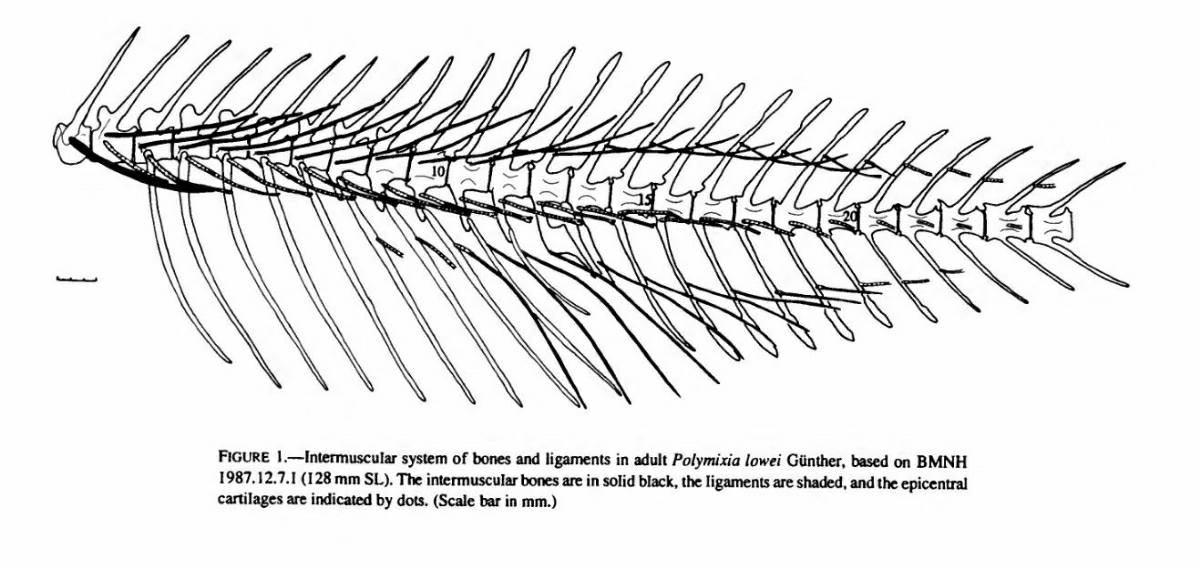
People bad at eating freshwater fish often think the tiny bones in crucian carp are random. They’re not! These are intermuscular bones, providing extra swimming power. They’re neatly arranged. The solid black lines in the image show this. The skeleton isn’t a crucian carp’s, but it’s close.
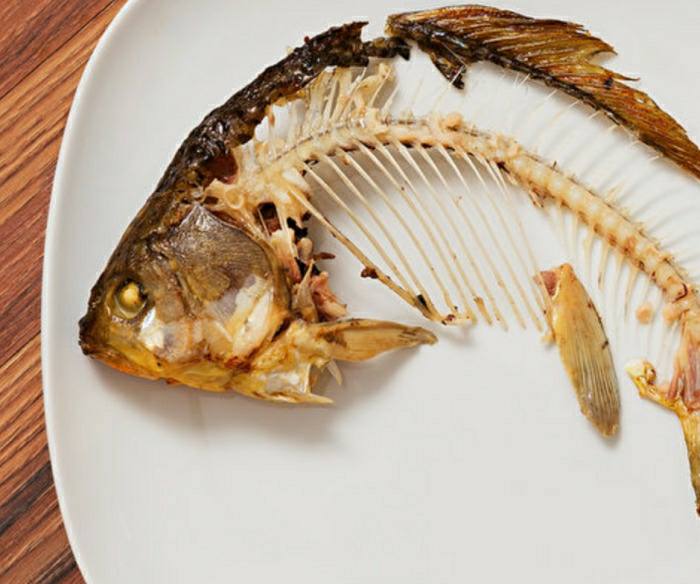
The spine is the core. The curved, long belly bones are like ribs, protecting organs. They’re easily removed. The shorter, straighter spine bones are hard to break, staying out of your mouth. All vertebrates share this: spine for support, ribs for protection. A snake skeleton shows this clearly.

The troublesome bones are the intermuscular ones attached to the flesh. They’re forked, but usually have a main stem. The stem is thicker; the forks are thinner. You won’t find snowflake-shaped bones. Because of the main stem, there’s a universal method to separate them, applicable to many fish.
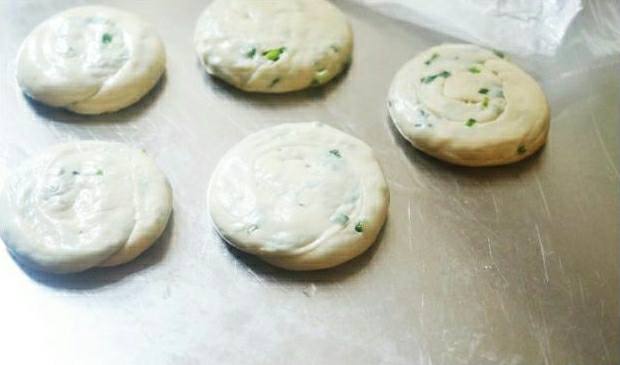
Here’s the technique: Take a bite containing bones. Don’t chomp down. Use your tongue and palate to flatten the fish, like a thin pancake. Don’t over-flatten it, as shown. The bone tips will slightly protrude, easily located by your tongue.
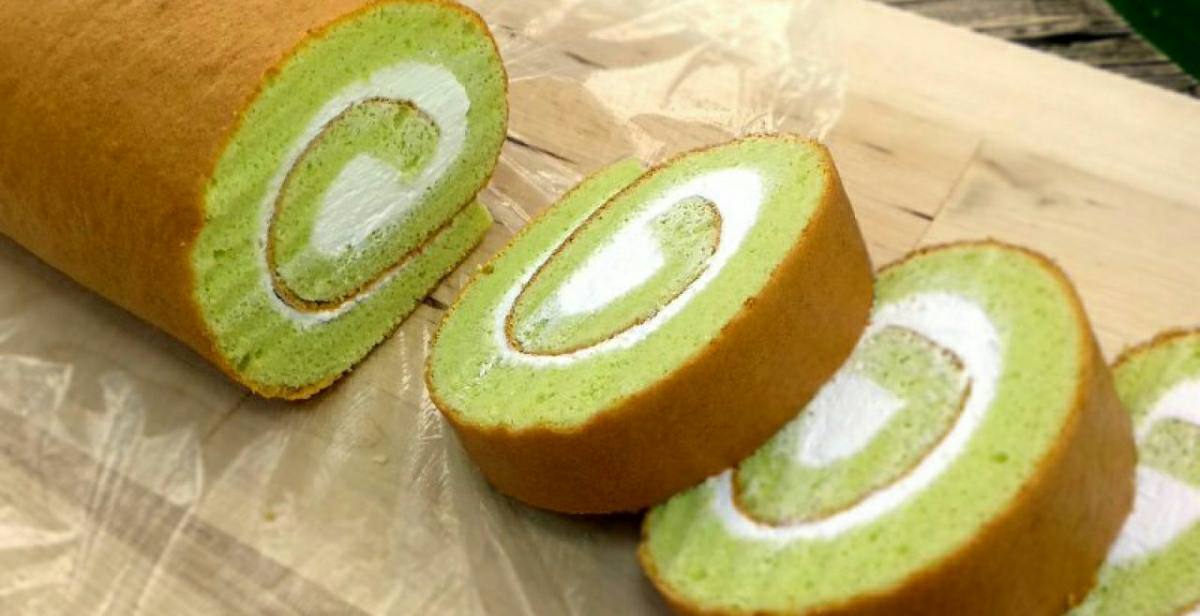
Roll the flattened fish with your tongue, like a Swiss roll, maintaining thickness. Bones not pointing directly at your tongue won’t prick. The main stem ensures even perpendicular bones align during rolling. You now have a fish roll with bones pointing uniformly.
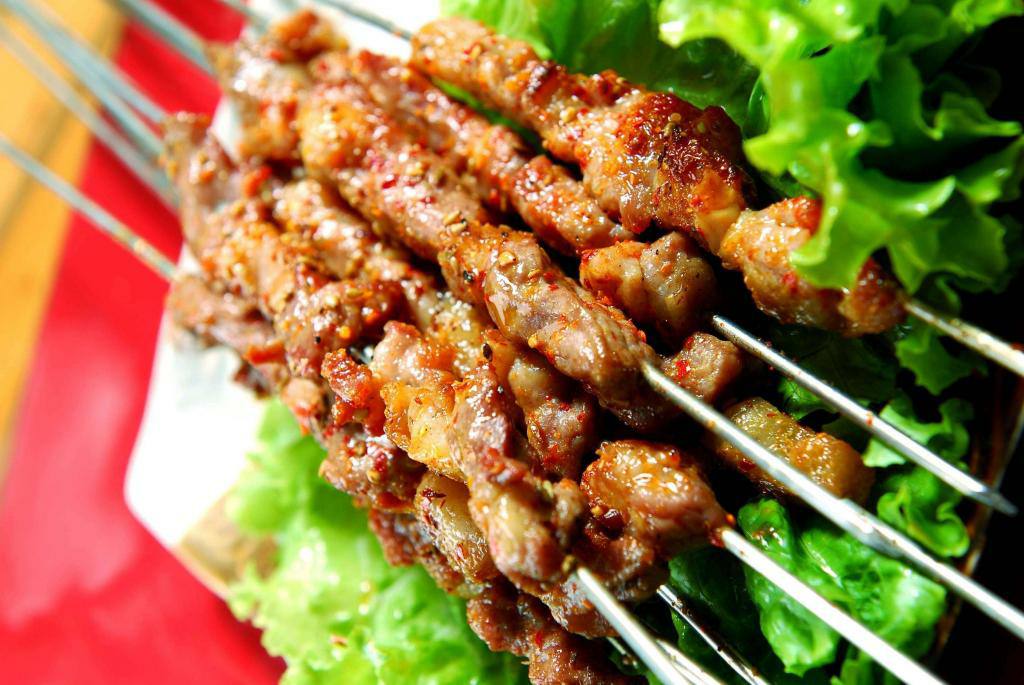
Push the roll forward with your tongue, aligning your front teeth with the roll’s center. Bite. Your gums are safe, and your teeth hold the bones. Like eating a skewer, scrape the flesh with your tongue. Scrape one side, flip, and repeat.
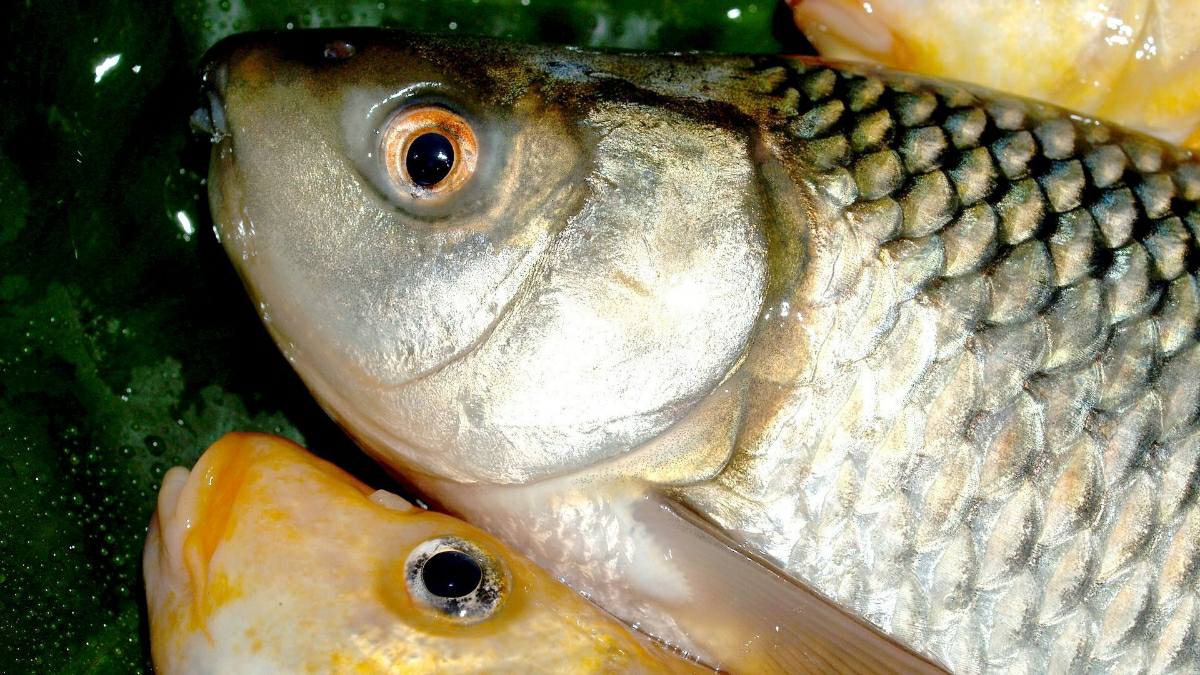
Success! Flesh and bones are separated. Spit out the bones.
This works mathematically: 3D line segments become 2D, then 1D. Complexity simplifies; chaos orders; it’s manageable.
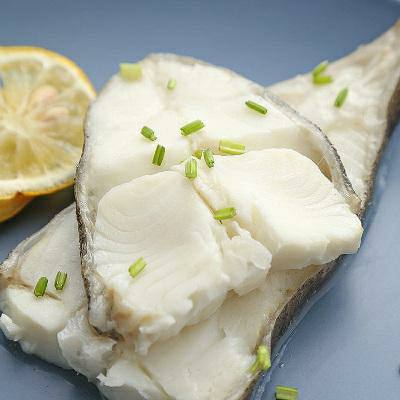
That’s my plan for teaching my daughter. Detailed, right? It might not work perfectly. “Dad, can we switch to flounder?” is a possibility.
Side note: Why are sea fish boneless? It’s about fish evolution. Fish began in the sea, lacking intermuscular bones. Later, some evolved these for power, gaining an edge. They became standard. Some entered freshwater, evolving further. Some developed elastic proteins instead of bones, becoming faster. In the ocean’s predator-prey race, these fast fish shed intermuscular bones, maximizing protein use. Thus, most sea fish are firmer. Freshwater fish, in smaller waters, evolved differently, keeping many intermuscular bones.
Chinese scientists found the gene controlling intermuscular bone growth in crucian carp. Mutating it creates boneless fish. It’s not commercial yet, so hopefully, this guide remains useful.